The drama continues. We can’t buy the house because we need inspections. The inspections can’t be completed because we need repairs (well and septic). We can’t do repairs until we get a mortgage. And we can’t get the mortgage because we need inspections.
Our builder continues to be patient; but I’m not. I’ve had enough of this. I put together a proposal, went to the bank that owns the property and asked for a construction loan. Within 24 hours, I had their commitment. We closed on the property 19 business days later.
We finalized plans, got engineering drawings, the township issued building permits — and then the rainy season hit.
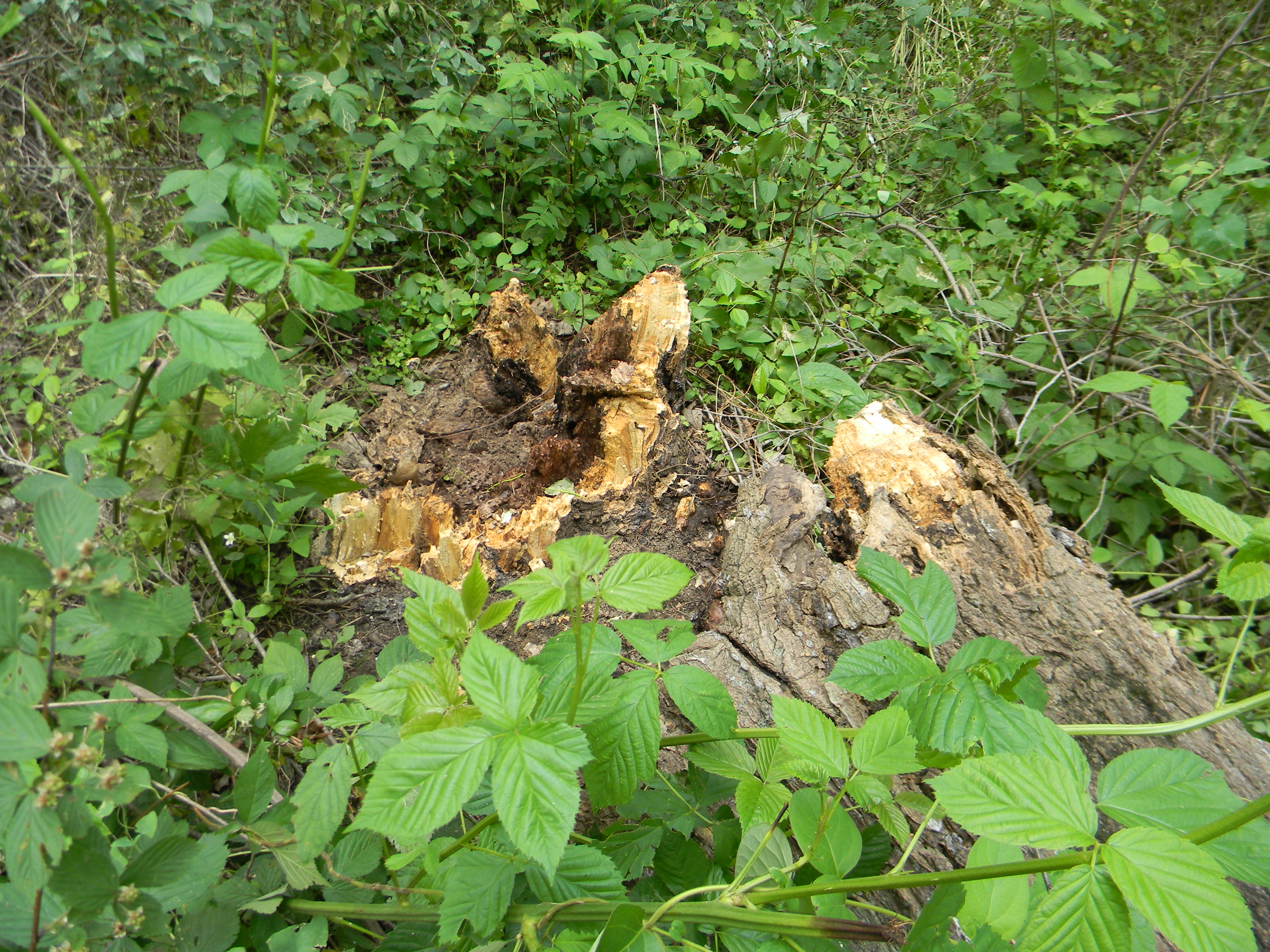
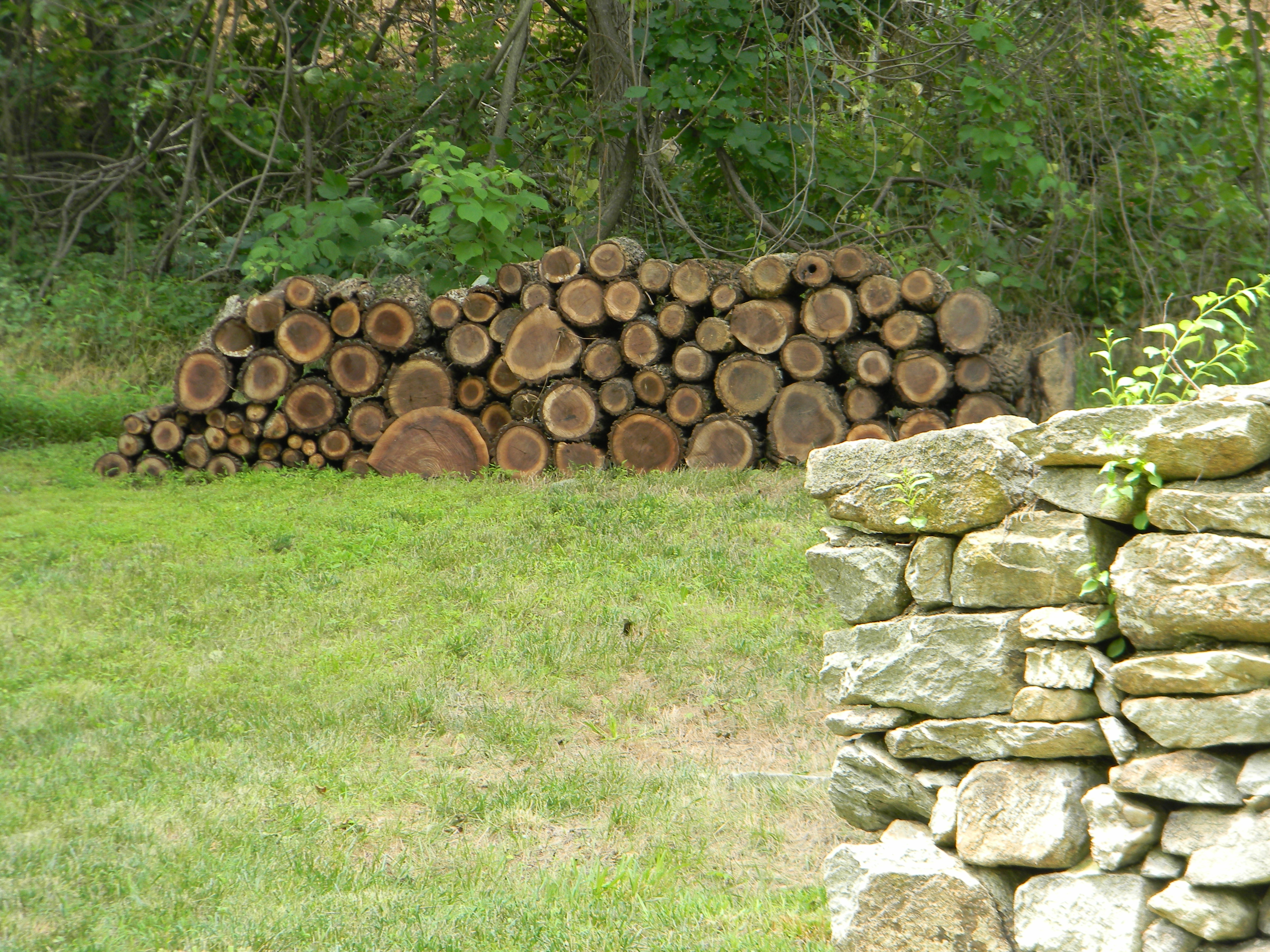
A storm came up, trees came down, and we started our woodpile while waiting for construction to start.
Just because a house is old, doesn’t mean it’s historic. I know very little about the house. The real estate listing says it was built circa 1850. I do know that’s before the Civil War (1861-1865). Serendipitously I met a woman in the break room at work. In the course of conversation, I said we were in the process of buying an old house in Chester County. She knew the house well. Her husband had helped to care for the elderly woman that lived there and after her death, they sold the farm to a developer. The developer envisioned a sub-division with a new road and 12 or so houses on the 20+ acre property. The township had other plans and said no. The developer began “renovating” the farmhouse for a “flip,” did minimal improvements — or worse yet — put lipstick on a pig — and then lost their shirts. The property became bank owned. The bank subdivided the property into six lots, with the farmhouse being on the largest lot with the most useless property (picture a heavily wooded, steep cliff).
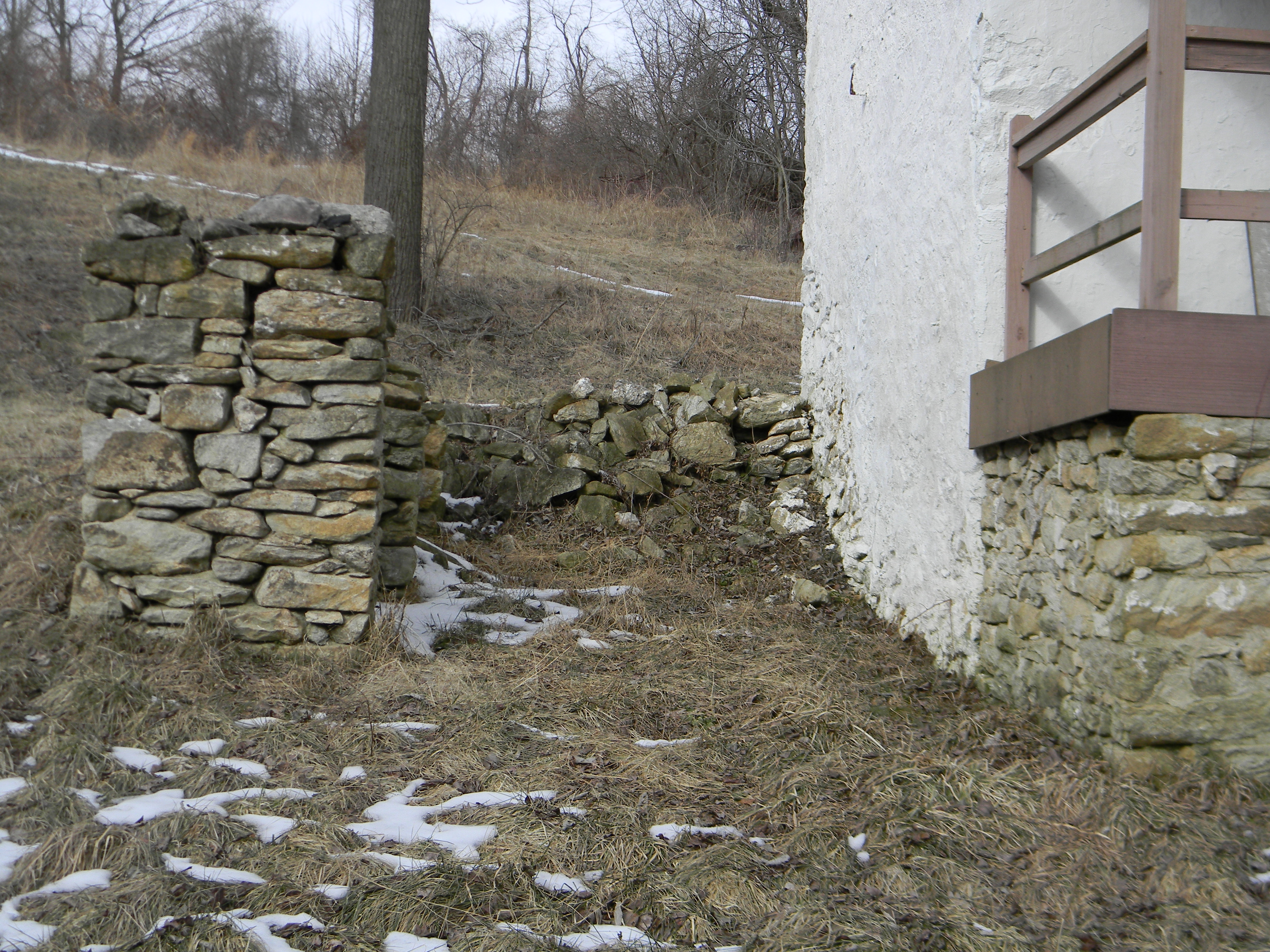
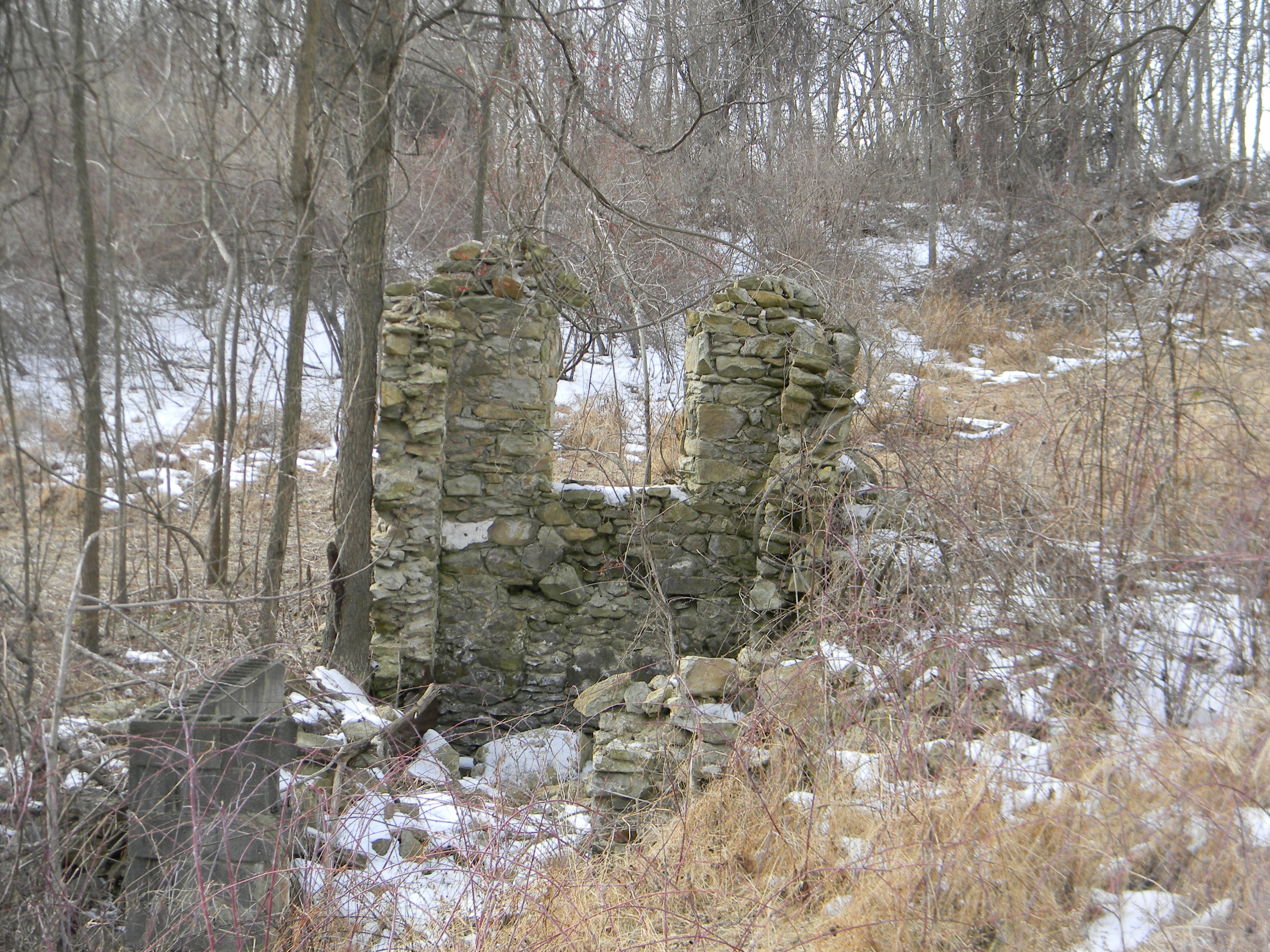
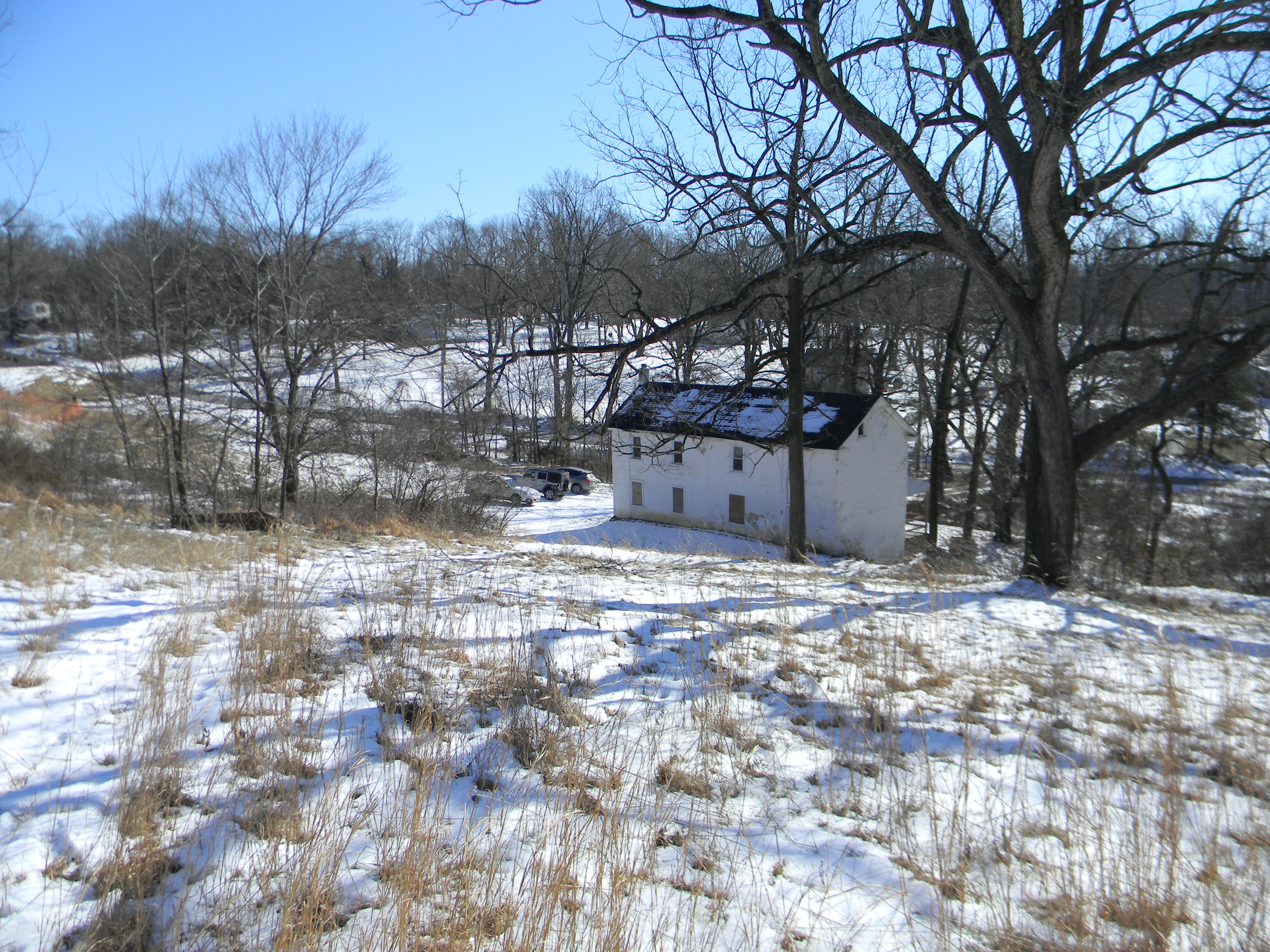
But while the house may not be historic, it has some unique features that should be preserved. There are the remnants of an old spring house, and remnants adjacent to the house that appear to be part of a summer kitchen. The beauty of the property is in preserving its character.
The 203K consultant warned us that the historical society was formidable. She said it would be difficult to get on their agenda, they would have very strict rules and we may not get their approval until August — or later!
We trudged forward, got on the agenda, and showed up — designs in hand. Mostly they wanted to tell us the history of the house, make sure we weren’t going to level it and build some objectionable “modern” structure and ask that we put corner stones where an old barn had been.
They said the farm had been known as the “Reason Farm,” after the people who had owned it. The Reasons, a black family, had inherited the farm from the white property owners generations before. It was unusual for blacks to own property outright during that time, and the house had become part of the underground railroad. But the farm has other history as well. Part of its original acreage was lost during prohibition when its bootlegging operation was uncovered. The development on Reason Lane now exists on that part of the old farm.
So, the Reason’s Farm has now become the “No Rhyme or Reason Farm.” There is no rhyme or reason for doing this — other than:
reclaiming an old house from disrepair
living closer to work
being closer to my kids and granddaughter (that’s the best reason)
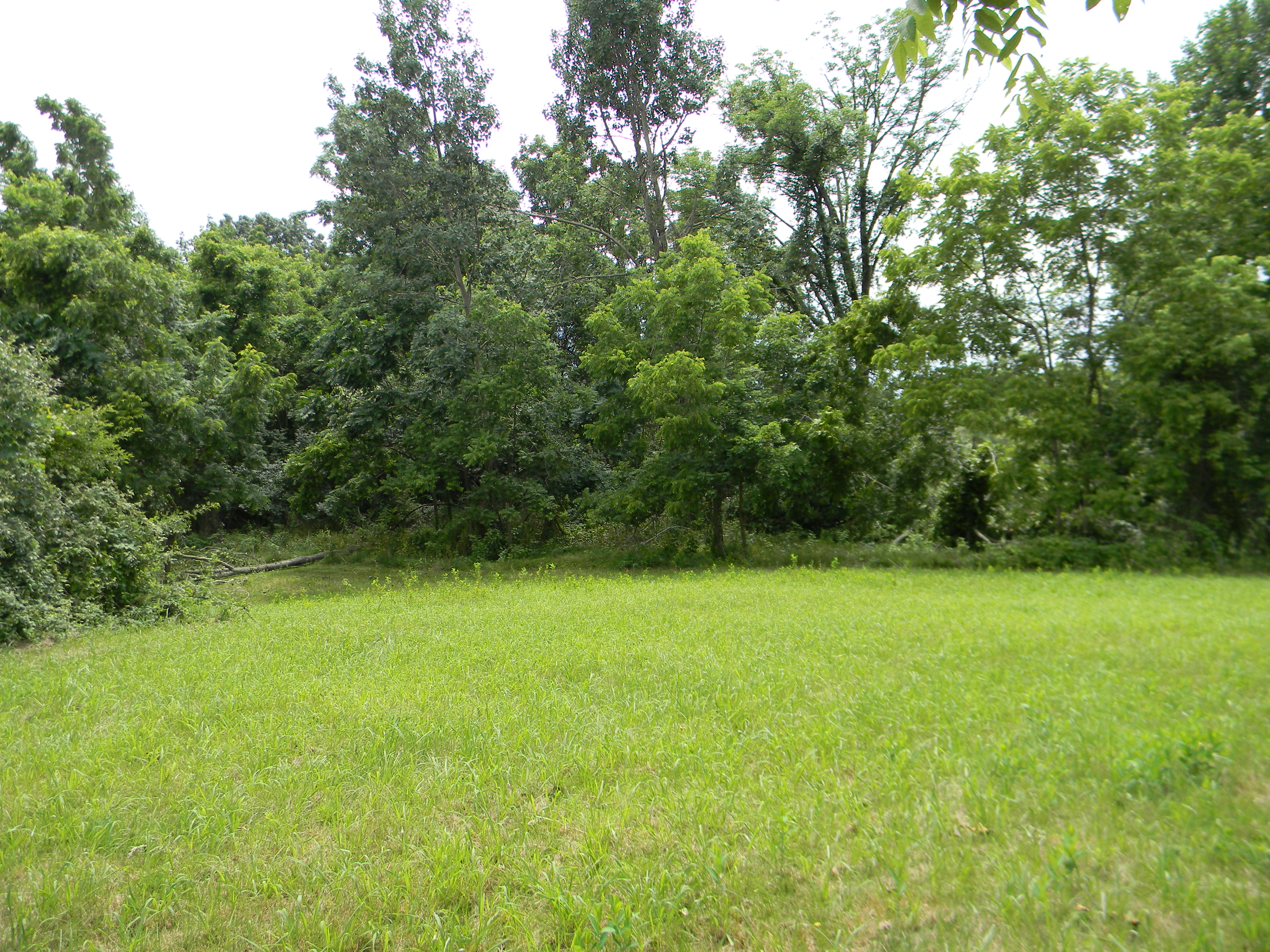
having space for a garden, fruit trees and chickens
designing a shell of a house to be what we want it to be
and dreaming of actually living here … some day … when the permits are issued, the well is drilled, the construction is completed, and the moving vans are gone.
The Summer KitchenThe SpringhouseBefore – Back PastureThe Pasture
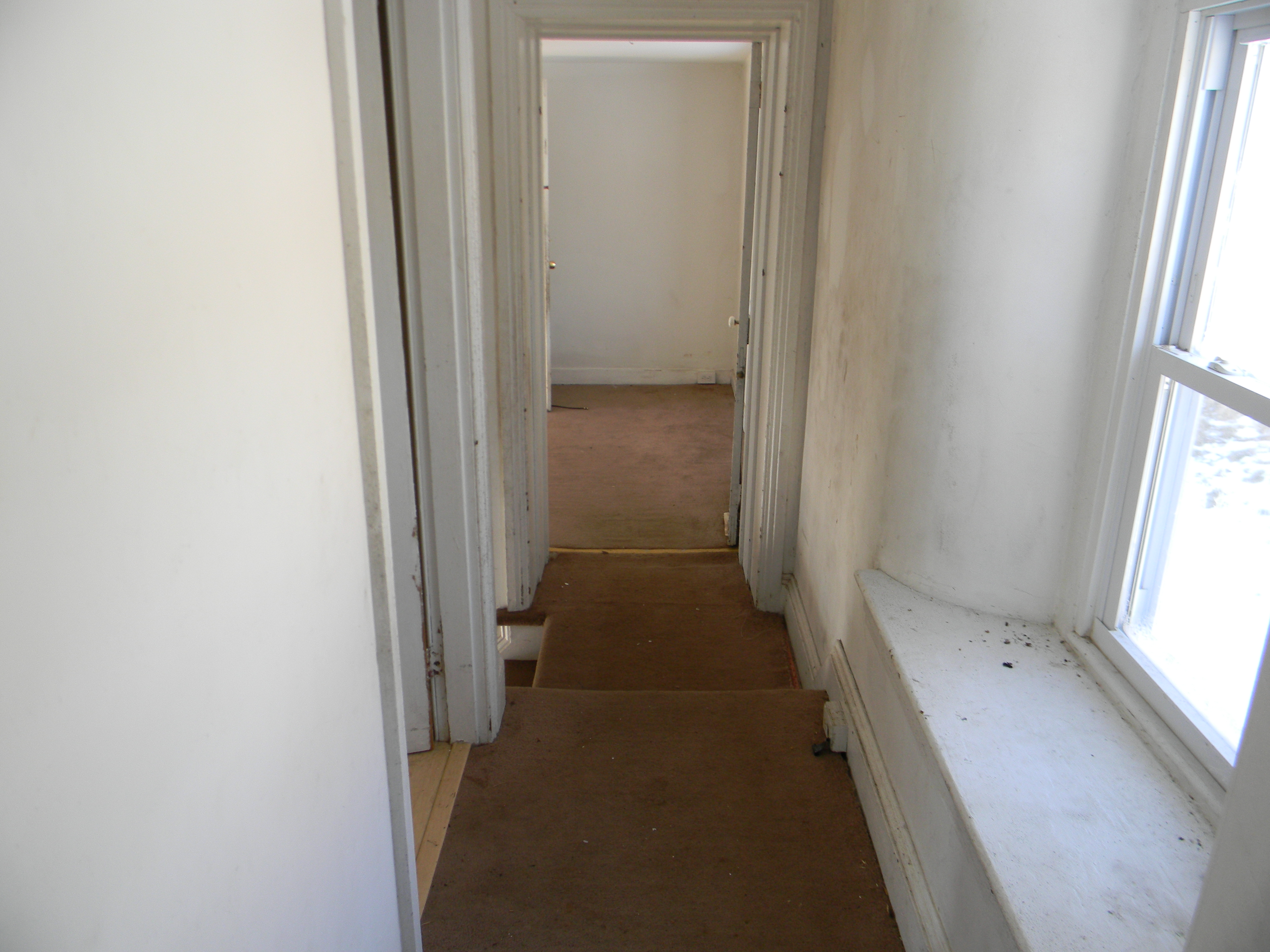
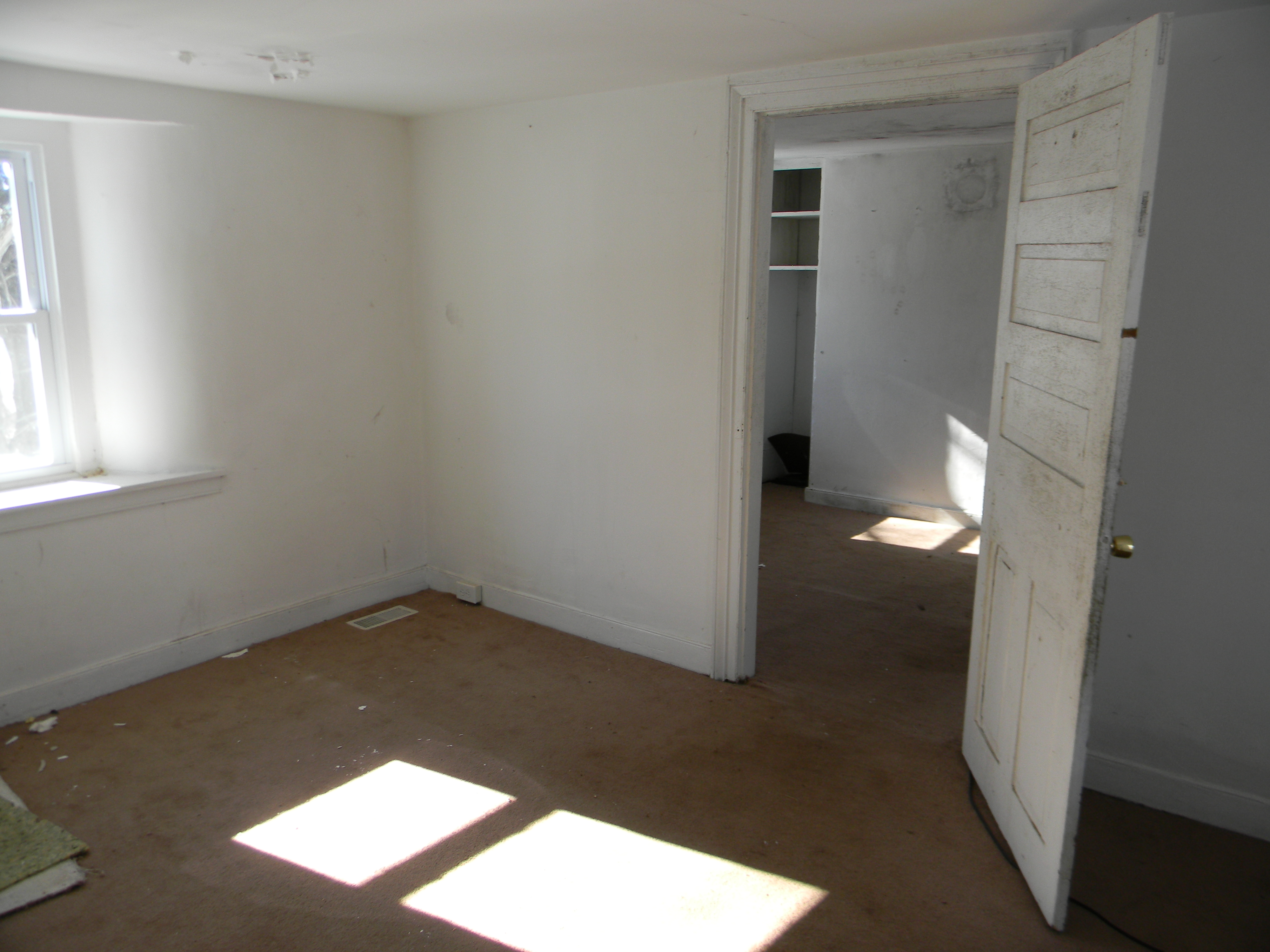
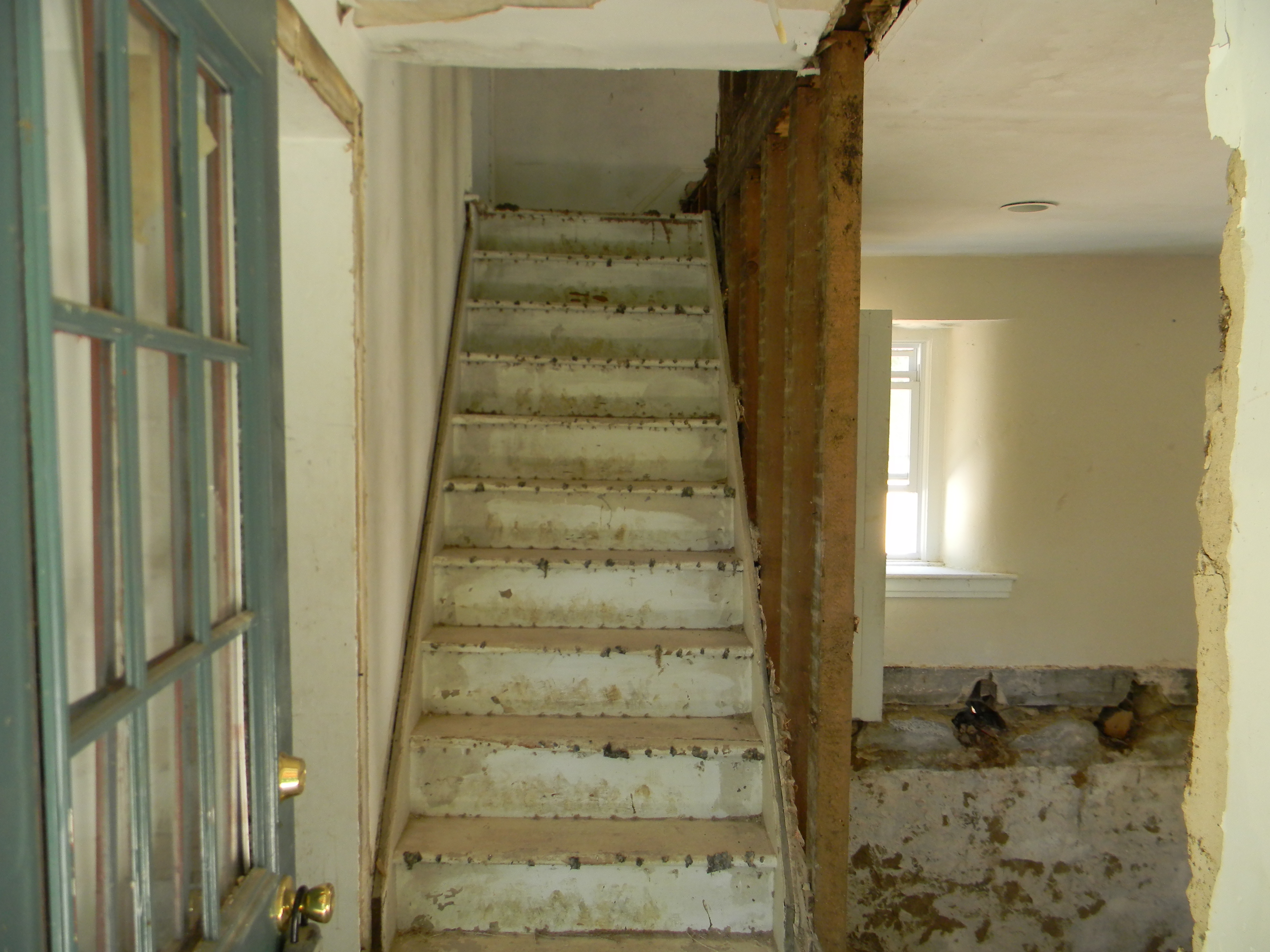
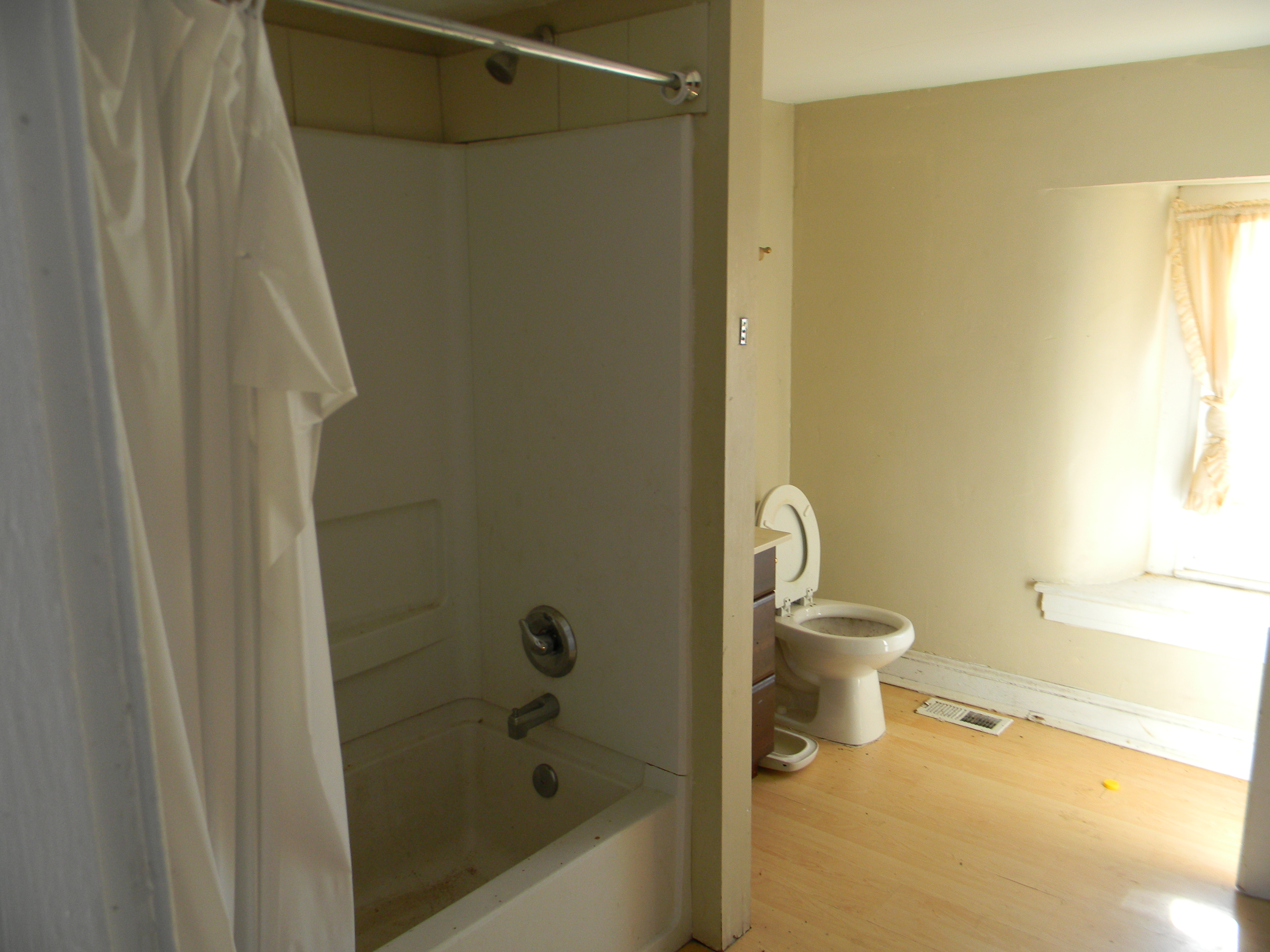
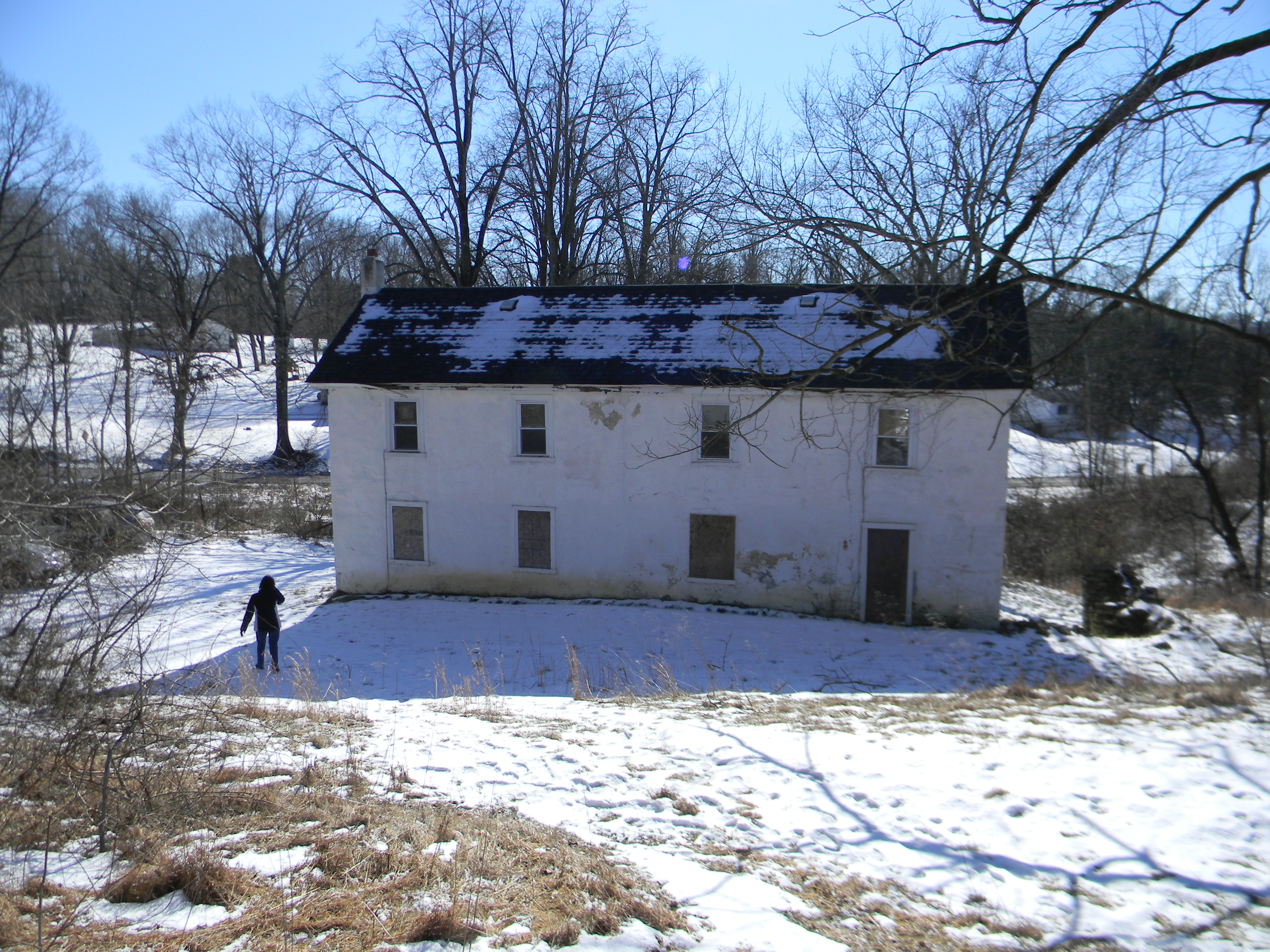
So, it’s a disaster. But it has potential. Except it’s tiny. You can only fix tiny to a certain extent. If we do this, we need a garage. And more important than a garage — we need space. The house has no closets, the rooms are funky (you walk through one bedroom to get to the next), there is no defined living room, there is no open concept kitchen, the stairs are steep, there is only one bathroom (if you can call it that — it’s actually worse than an outhouse) — and it’s upstairs. The house is 1500 square feet. Every room takes up the complete depth of the house, 14 feet from front to back — front windows and back windows are in the same room. There is no center hall, no rambling spaces and no dining room/living room/family room/guest room/powder room — there is just no room!
But that’s okay. We watch “Tiny House Nation.” If those people can live in something that size — we can do this.
We make an offer, contingent on a few inspections (well & septic) — otherwise, the house is pretty much “as is.” Five acres, in Chester County with an old stone farmhouse — with a well and septic in disrepair.
Then we found a builder. They were on the internet — and if they’re on the internet, they must be good. Not only are the good, but they’re Amish… and patient.
The winter has been brutal, the ground is frozen, the water won’t run, the septic is broken. We can’t test the septic until we can get well water to run. We can’t get water to run because the house has no heat. We can’t fix the well, because we don’t own the house. We can’t test the septic unless we can fix the well. And so round and round we go.
The mortgage broker recommended a 203K mortgage. If you ever hear those words — RUN. We wasted time and money trying to meet requirements, run inspections and design a house that would comply with ridiculous requirements. But John, our builder, took the delays in stride while we work through designs, filed for permits and met with the historical society.
The Upstairs HallThe Master Bedroom(s)The Attic StairsThe Stairs Disaster
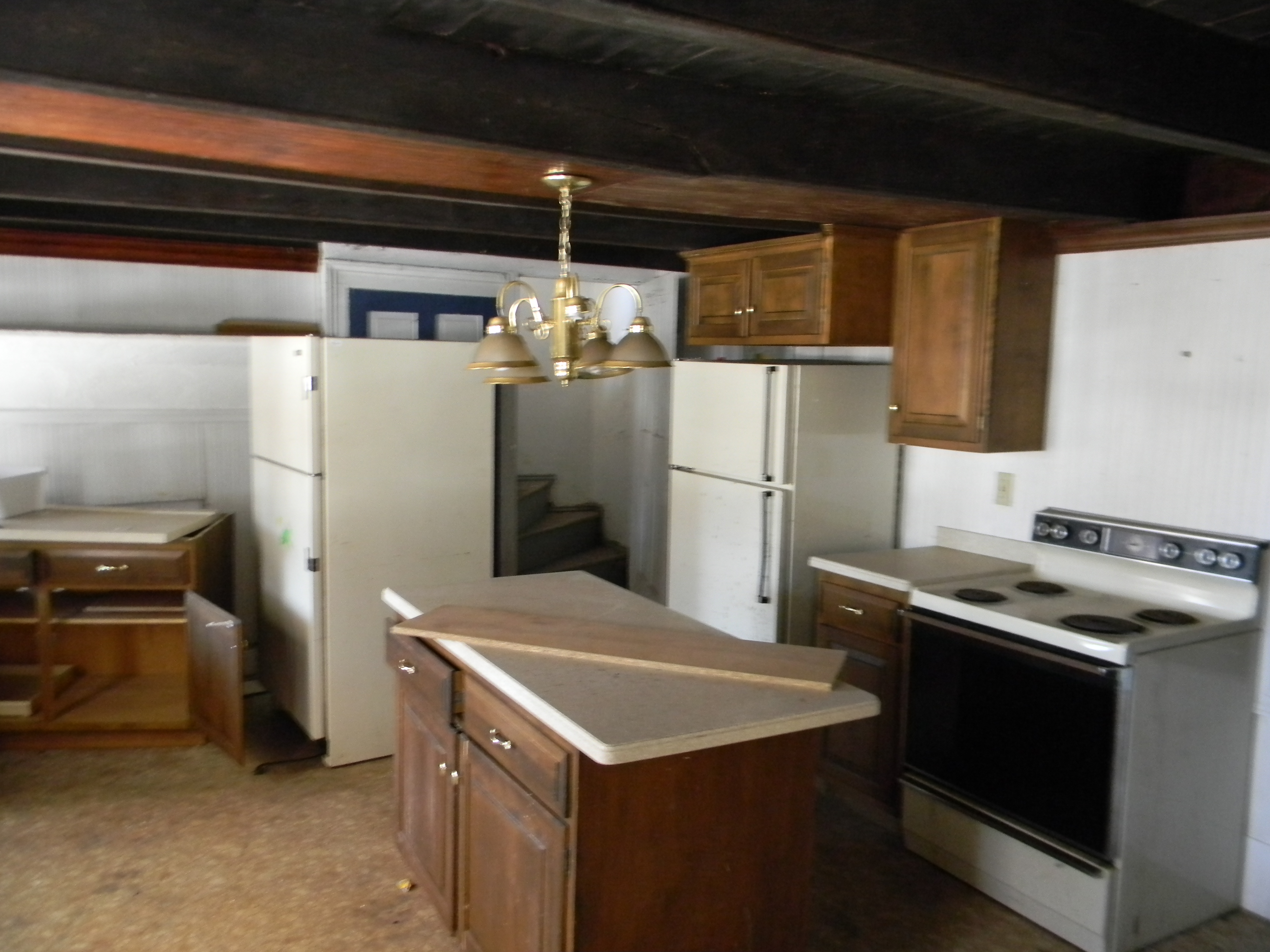
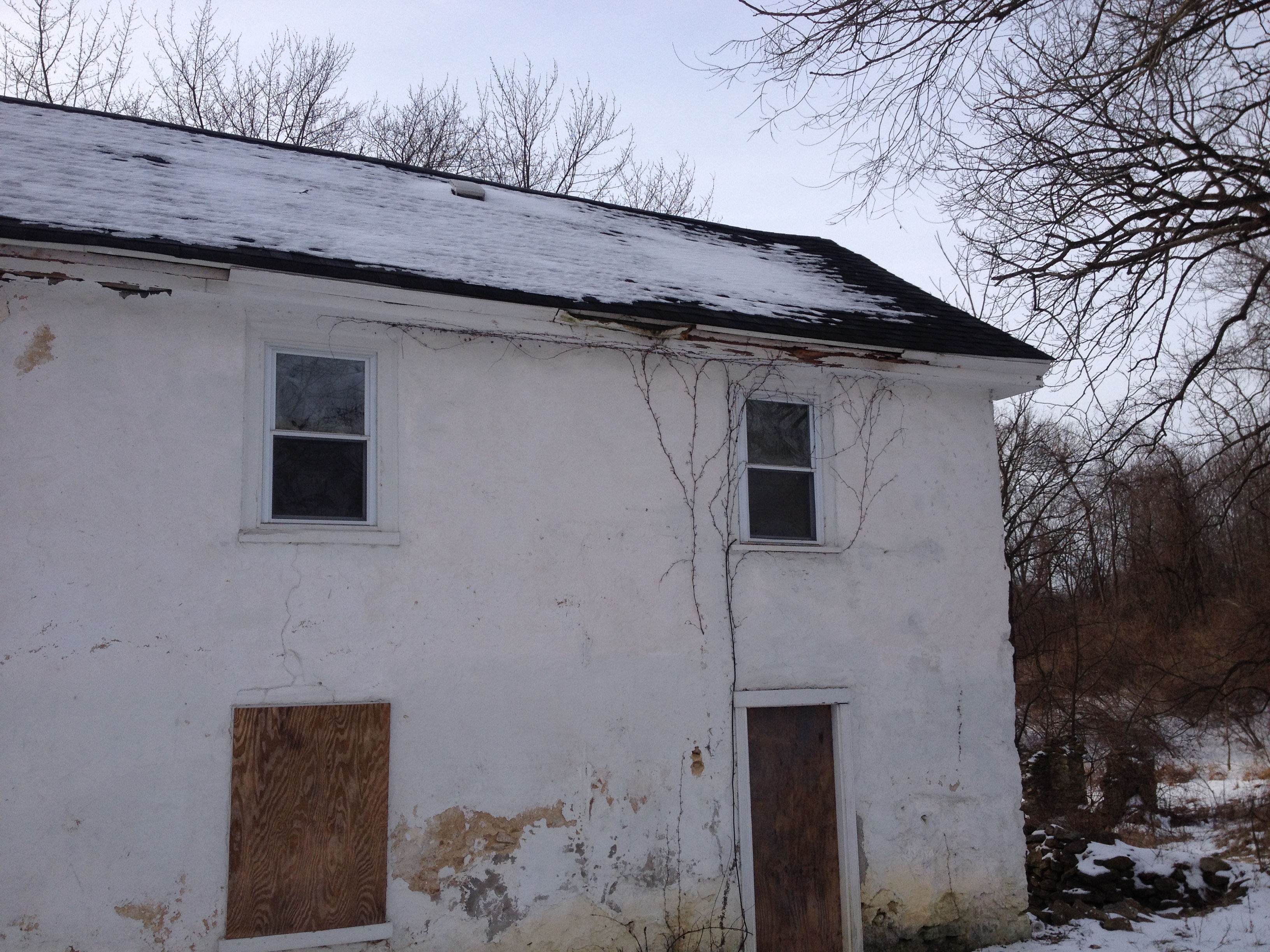
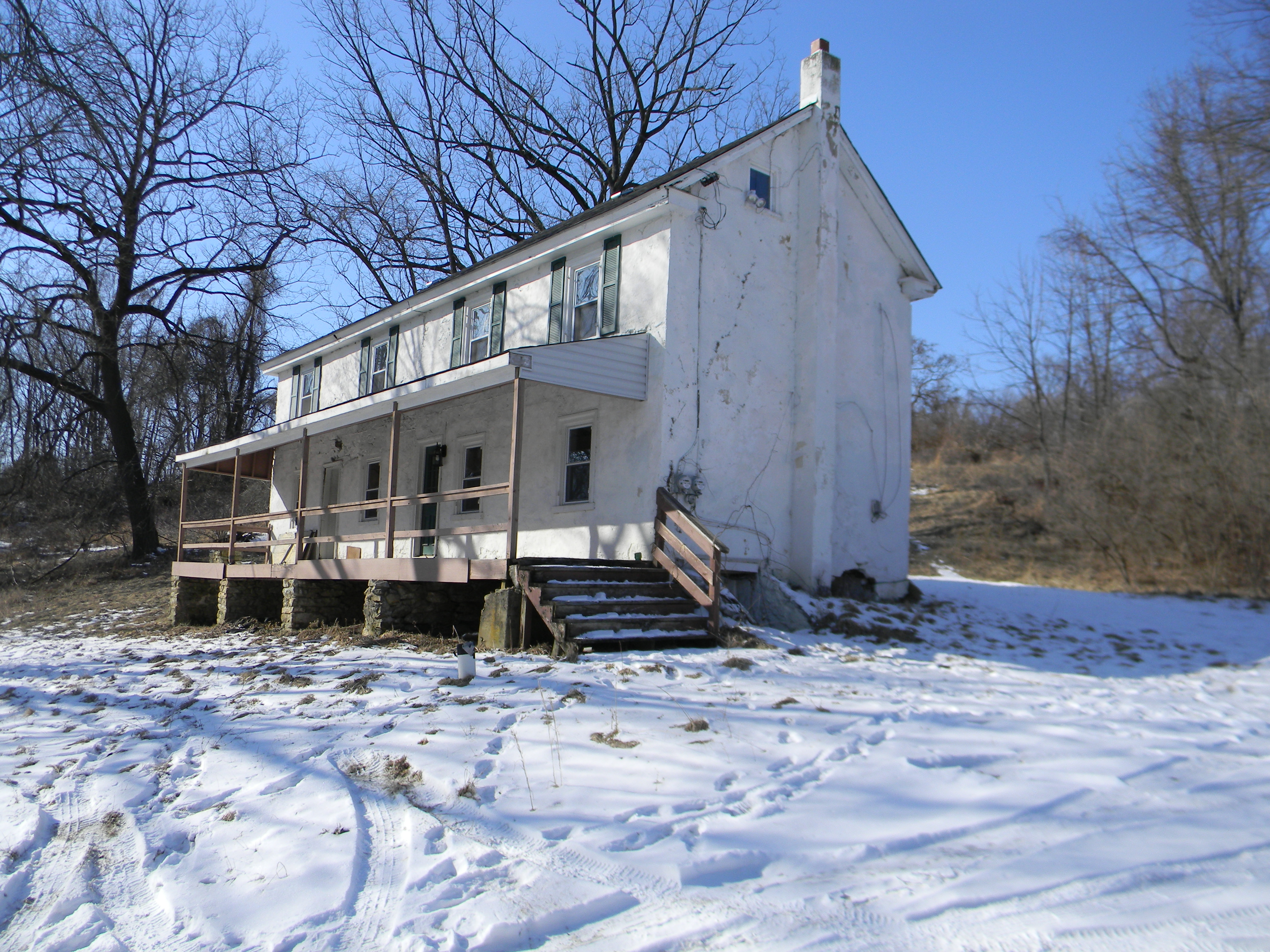
We met the Realtor at the house. I use that term loosely. It doesn’t really qualify as a house. It’s uninhabitable. Not only is it uninhabitable. It’s a disaster. But, it has a boarded up fireplace in what one could call the remnants of a kitchen. It has a thick stone construction, deep window sills and curved plaster walls. It has “potential” if you look passed all of this:
The Kitchen DisasterThe Kitchen Disaster – Part 2The Bathroom DisasterThe Stairs DisasterBoarded Windows, Creeping Vines and Falling Fascia
I came up over a hill on a snowy day, and there it was … looking like home. It had been empty for more than 4 years, neglected and in need of some TLC — that’s all… just a little TLC. I called the Realtor.
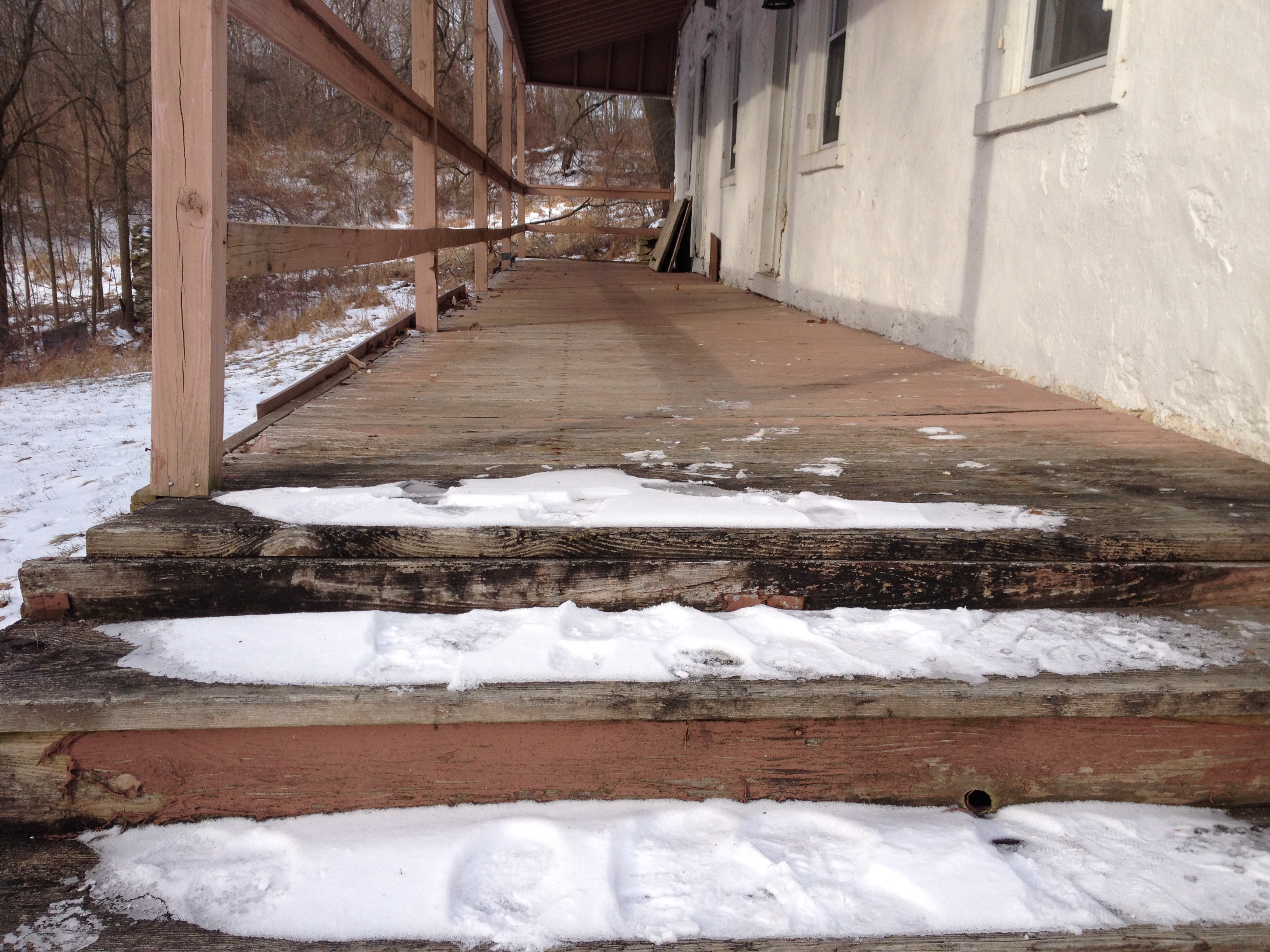
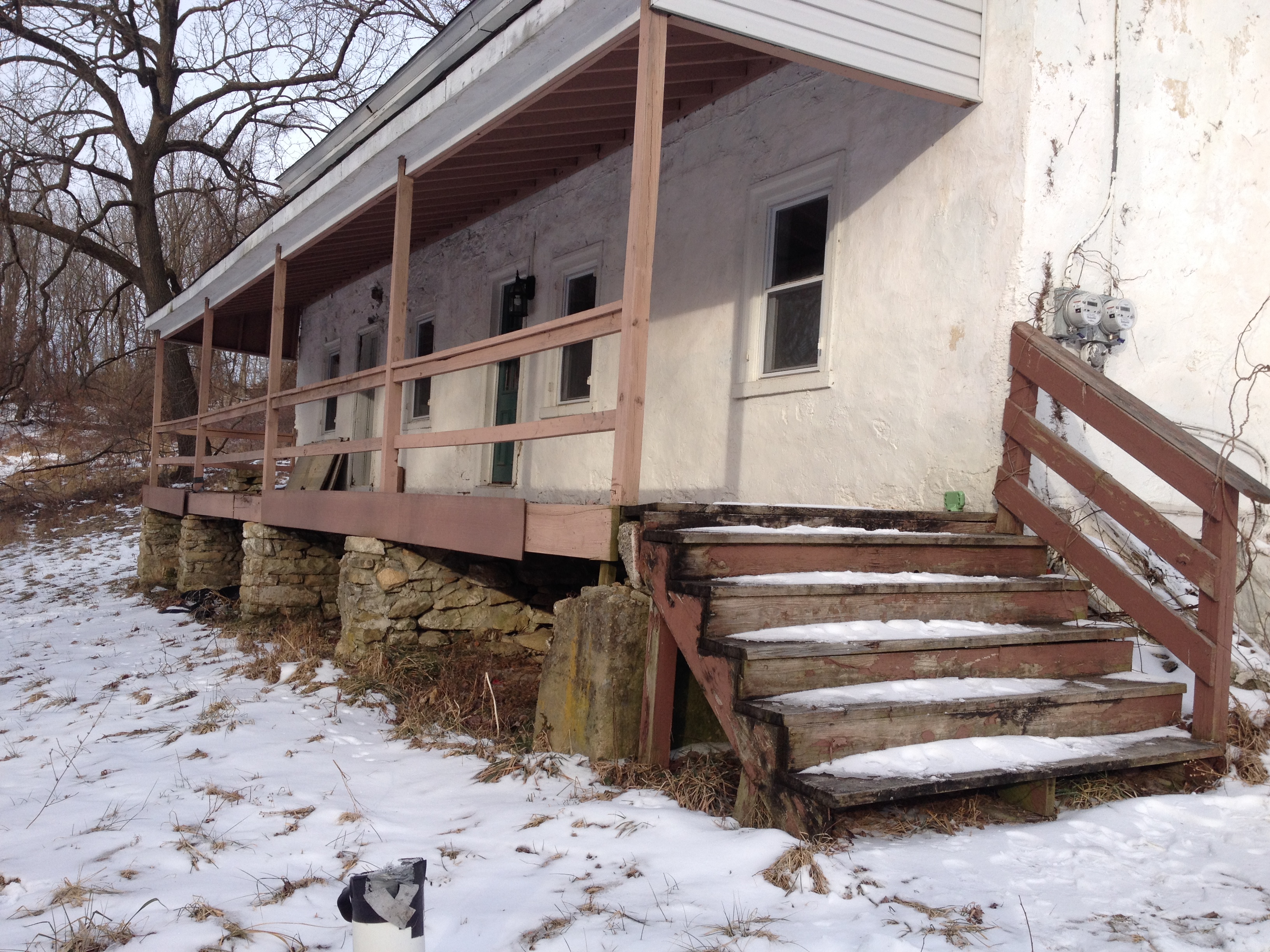
The DrivewayFront PorchBefore – Back of HouseThe SpringhouseThe Porch Disaster



 No Rhyme or Reason Farm